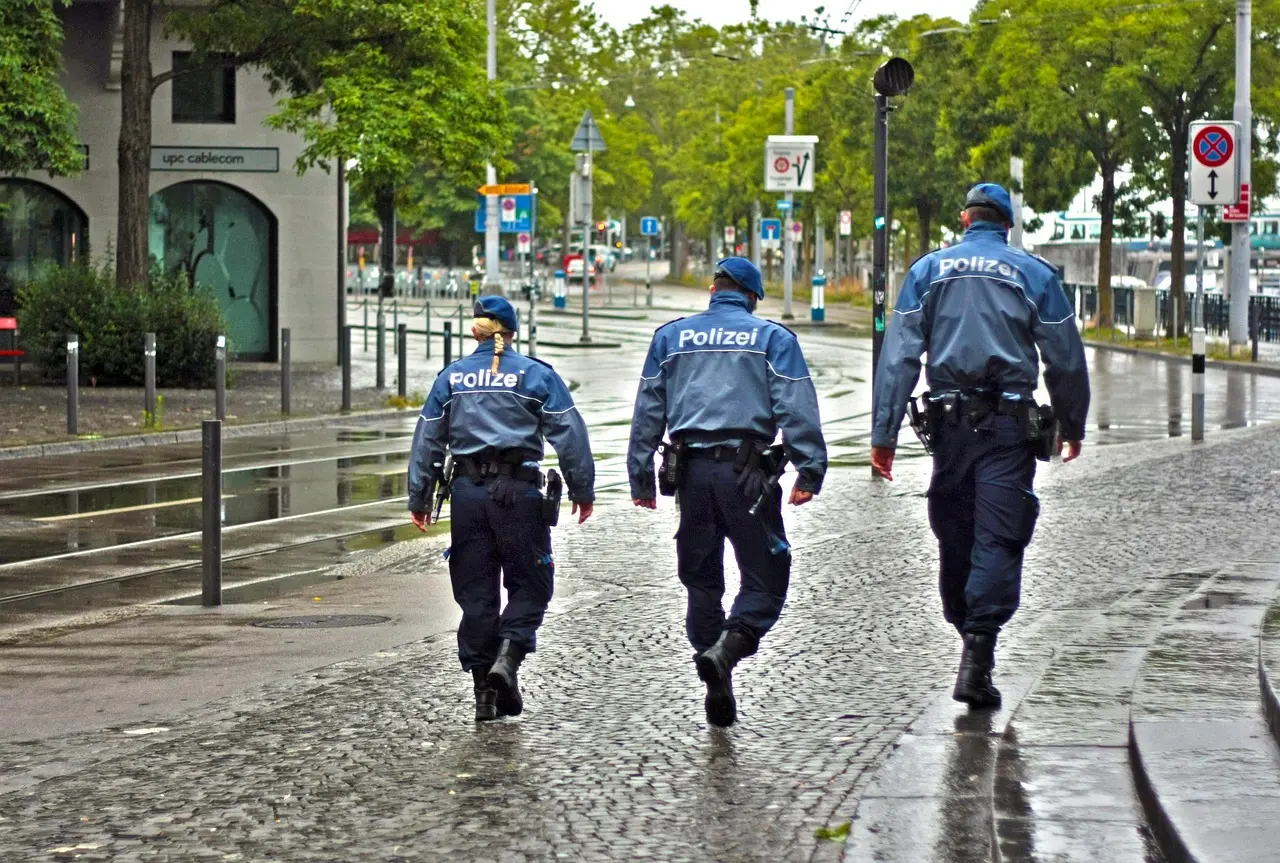
Mayors across the country are pressing DHS to align federal immigration operations with the same visible-ID, warrant, camera, and training standards expected of local police. The question is not whether enforcement happens, but whether it meets the accountability rules cities rely on to preserve trust.
Why Mayors Raised Alarm on Federal Enforcement
Here’s what caught the attention of city leaders across America: federal immigration enforcement was operating under standards that local police departments wouldn’t tolerate for a second[1]. The U.S. Conference of Mayors didn’t just notice this gap-they documented it[2]. After a crisis situation in Minneapolis claimed two lives, mayors from Oklahoma City to San Diego realized they couldn’t stay silent[3][4]. The real story isn’t that enforcement happens; it’s how it happens, and whether it matches the accountability measures every other law enforcement agency follows[1]. Two emergency resolutions emerged from this moment[5], turning what individual mayors had been quietly frustrated about into official policy[5]. The shift matters because trust between communities and law enforcement-any law enforcement-depends on visible professionalism and clear rules.
Operational Gaps Between Federal and Local Policing
The operational gap is stark when you line up the specifics. Local police academies train recruits on use-of-force policy, proportionality, and de-escalation[1]. Federal immigration enforcement agents? That training expansion hasn’t happened at the same scale. Body cameras are standard in most departments now. Not standard in immigration enforcement operations until mayors demanded it[6]. Judicial warrants for entering private property-that’s basic legal procedure in criminal enforcement. Yet immigration agents could conduct searches based on location, job, language, or race without that same requirement[6]. The mayors’ first resolution targeted seven concrete practices: mask restrictions, uniform standardization, visible ID requirements, body camera mandates, warrant requirements, location-based search prohibitions, and sensitive-location protections[6]. Each one represents a place where federal practice drifted from what communities expect of their law enforcement.
Transparency and Police Professionalism
What mayors know from managing their own police departments is this: transparency and accountability aren’t extras. They’re operational. When officers wear visible ID numbers and last names, it changes behavior. When body cameras run, the interpretations of what happened get clearer. When use-of-force policies require proportionality and necessity, officers make different methodical choices. The Conference’s Vice President and San Diego Mayor understood the stakes-cities live with the consequences when federal enforcement erodes public trust[4]. His city, like most urban centers, depends on immigrant communities reporting crimes, cooperating with police, and feeling safe enough to participate in civic life. Federal enforcement that operates under a different rulebook than local police undermines that foundation. The mayors weren’t asking for less enforcement. They were asking for the same professional standards that apply everywhere else in American law enforcement.
Steps
First, understand what the current gap actually looks like
Local police departments operate under visible accountability measures-body cameras, ID badges with names and numbers, uniform standards, warrant requirements. Federal immigration enforcement? That’s been operating under a completely different playbook. Agents wear masks during raids, uniforms aren’t standardized, and the legal requirements for entering private property are way looser than what local cops have to follow. The mayors aren’t saying this is intentional malice; they’re saying it’s a professional standards problem that’s gotten out of hand.
Next, look at what the emergency resolutions actually demand
The Conference of Mayors put seven specific practices on the table: ban masks during enforcement, standardize uniforms and equipment, require visible identification, mandate body cameras, demand judicial warrants for searches, prohibit location-based enforcement targeting, and protect sensitive locations like schools and hospitals. Each one sounds straightforward until you realize how many of these aren’t currently required. This isn’t asking for less enforcement-it’s asking for the same professional standards that apply to every other law enforcement agency in America.
Then recognize why this matters for actual communities
When federal enforcement operates under different rules than local police, it creates a trust problem. Immigrants stop reporting crimes. Communities become less willing to cooperate with law enforcement generally. Public safety gets worse, not better. Cities like San Diego and Oklahoma City have learned from their own police departments that transparency and accountability aren’t obstacles to enforcement-they’re actually what make enforcement more effective and sustainable. The mayors are protecting their own operational interests while also pushing for basic professional standards.
Minneapolis Incident and Bipartisan Response
Minneapolis provided the immediate catalyst, but the underlying pattern stretched across jurisdictions[7]. Mayors from Columbia, South Carolina to Oklahoma City had been fielding constituent complaints about immigration enforcement practices that didn’t align with civil service standards[3][8]. The specific incident-resulting in two deaths-forced the Executive Committee to move from quiet frustration to formal action[7]. What made this different: the response wasn’t just local condemnation. It became binding policy for the entire Conference[5]. Trustees and leadership solicited input from mayors across the country, ensuring the resolutions reflected systemic concerns, not isolated incidents[9]. The bipartisan approach mattered too-this wasn’t partisan posturing[10]. It was mayors of different political persuasions agreeing that federal immigration enforcement needed to operate under the same professional standards as every other American law enforcement agency.
From Complaint to Binding Municipal Policy
Imagine a city official reviewing incident reports from federal immigration enforcement operations in her jurisdiction. She notices a pattern: agents operating without visible ID numbers, stops initiated based on language spoken, operations in sensitive locations like hospitals. She brings this to her police chief. The response is familiar frustration-‘Our officers can’t do this. Why can they?’ The cited evidence shows this wasn’t an isolated concern[9]. It was happening across multiple cities, documented in reports to the Conference. That’s what prompted the emergency resolutions. The turning point came when that frustration transformed into formal policy. The first resolution specified exactly what had to change: visible identification, standardized uniforms[11], body cameras, judicial warrants for entry. Not suggestions. Requirements. The shift from ‘this bothers us’ to ‘this is unacceptable and here’s what must change’ is what happens when mayors realize individual complaints don’t drive federal reform-coordinated, documented demands do.
✓ Pros
- Visible ID and body cameras create accountability that prevents the kind of abusive practices that have eroded trust between immigrant communities and law enforcement across the country.
- Warrant requirements align federal immigration enforcement with constitutional standards that local police follow, ensuring that enforcement targets actual violations rather than demographic characteristics or neighborhood location.
- Standardized uniforms and professional appearance signal civil law enforcement rather than military-style operations, which changes how communities perceive whether they’re being policed or occupied by federal agents.
- Body camera documentation creates objective records that protect both officers from false accusations and citizens from abuse, while also providing evidence for actual violations that prosecutors can use in court.
- These standards have been tested for years in local police departments nationwide, so there’s actual evidence they work without preventing effective law enforcement or slowing down legitimate operations.
✗ Cons
- Warrant requirements could potentially slow down time-sensitive immigration enforcement operations where agents believe immediate action is necessary to prevent someone from fleeing or destroying evidence.
- Body cameras and visible identification create documentation trails that could expose enforcement strategies and informant information if records are requested through public disclosure laws or FOIA requests.
- Implementing uniform standards and equipment requirements across federal agencies requires budget increases and training programs that Congress might be reluctant to fund during budget constraints.
- Restricting enforcement in sensitive locations like schools and hospitals might prevent agents from apprehending individuals in situations where they believe immediate action is necessary to protect public safety.
- Federal agents might argue that operational flexibility and rapid response capability are compromised by the same accountability measures that work fine for local police departments handling different types of enforcement priorities.
Where Federal Practice Diverged from Standards
Everyone assumes federal enforcement operates under strict standards. Reality check: until mayors pushed back, it didn’t. Conventional wisdom says immigration enforcement is separate from regular policing. But the Conference’s resolution makes clear why that distinction breaks down in practice. Federal agents were conducting stops based on accent and race without judicial warrants-practices that would trigger civil rights complaints if local police did the same. The masks? They weren’t planned gear. They were anonymity. The standardization request seems obvious until you realize federal agents could dress though they wanted while local officers had uniform codes[11]. The sensitive locations policy got stripped back, letting enforcement happen in schools and hospitals where local police wouldn’t dream of operating without extraordinary justification. The mayors’ second resolution goes further, demanding that training requirements match what state and local academies provide. The premise underlying everything: federal doesn’t mean exempt. It means accountable to the same professional standards.
5-Step Framework for Federal Accountability
The problem: federal immigration enforcement procedures had diverged so far from standard law enforcement practice that public trust was eroding. Communities weren’t cooperating. Mayors were fielding complaints. The system was breaking at the point where federal and local law enforcement needed to coordinate. The solution the Conference outlined isn’t theoretical. It’s concrete. First: mandate body cameras and footage storage-creates accountability immediately. Second: require judicial warrants before entering property or facilities-eliminates indiscriminate sweeps. Third: prohibit stops based on location, job, language, or ethnicity-removes the proxy searches that generated civil rights violations. Fourth: reinstate sensitive locations protections-keeps enforcement out of schools, courts, and hospitals. Fifth: adopt use-of-force policies identical to civil law enforcement standards, requiring proportionality and necessity. The resolutions also demand training alignment and preservation of evidence for state and local investigation. Each step addresses a specific failure point. Together, they create a framework where federal enforcement operates under the same accountability structure as every other American law enforcement agency.
How to Use Municipal Leverage
What happens next depends on whether DHS actually implements these standards[2]. The Conference called for urgent reform, but resolutions are policy positions, not legal mandates. Federal agencies don’t automatically adopt them. The mayors have use though-they control municipal cooperation, police resources, and community access. Cities can document violations. They can withhold intelligence-sharing. They can investigate excessive force. The bipartisan nature of this push suggests it might actually move[10]. Republican and Democratic mayors speaking with one voice carries weight. The pattern worth watching: whether individual jurisdictions start adopting local ordinances requiring compliance from federal agents operating in their cities. Some have already experimented with sensitive locations restrictions. If that trend accelerates, it forces federal adaptation faster than waiting for Washington to act. The modernization of the immigration system the Conference also called for-that’s longer-term[12]. But enforcement reform? That can start immediately if the political will exists.
Checklist: Are Federal Agents Meeting Standards?
For city officials and police leadership, key point direct: federal enforcement procedures matter because they affect community trust in all law enforcement. If residents can’t distinguish federal agents from local officers, or if federal agents operate under different rules, it undermines the legitimacy everyone depends on. The mayors’ framework provides a template. Check whether federal agents in your jurisdiction are visibly identified. Are they using body cameras? Do they have warrants before entering facilities? Are they conducting location-based or ethnicity-based stops? These aren’t abstract principles. They’re operational measures that affect real interactions. For community advocates, the resolutions offer a model-coordinated demands, specific requirements, tied to professional standards that are already established in civil law enforcement. For federal leadership, the message is clear: the mayors aren’t asking for less enforcement. They’re asking for the same accountability standards that apply everywhere else. That’s not radical. That’s just professionalism.
-
The emergency resolutions call on federal immigration enforcement to model the professionalism and standards expected of local police.
(www.usmayors.org)
↩ -
The U.S. Conference of Mayors called for urgent reform of federal immigration enforcement procedures.
(www.usmayors.org)
↩ -
USCM President David Holt, the Mayor of Oklahoma City, directed review of the Minneapolis situation.
(www.usmayors.org)
↩ -
USCM Vice President Todd Gloria, the Mayor of San Diego, participated in reviewing the Minneapolis situation.
(www.usmayors.org)
↩ -
Two emergency resolutions adopted by the U.S. Conference of Mayors became official policy of the organization.
(www.usmayors.org)
↩ -
The first Emergency Resolution asks the Department of Homeland Security to require ICE and other federal agents to cease the use of masks during enforcement operations.
(www.usmayors.org)
↩ -
The Conference’s Executive Committee convened in response to an escalating situation in Minneapolis that resulted in the death of two U.S. citizens.
(www.usmayors.org)
↩ -
Trustee Daniel Rickenmann, the Mayor of Columbia, South Carolina, participated in reviewing the Minneapolis situation.
(www.usmayors.org)
↩ -
Mayors across the country were solicited for input on the Minneapolis situation before the resolutions were drafted.
(www.usmayors.org)
↩ -
The Executive Committee drafted a bipartisan response to the crisis that included the two emergency resolutions.
(www.usmayors.org)
↩ -
The first Emergency Resolution asks DHS to regulate and standardize the types of uniforms and equipment DHS officers employ so they align with civil enforcement.
(www.usmayors.org)
↩ -
The U.S. Conference of Mayors called for modernization of the nation’s immigration system.
(www.usmayors.org)
↩
📌 Sources & References
The sources below are included so the main claims and numbers can be verified more easily.